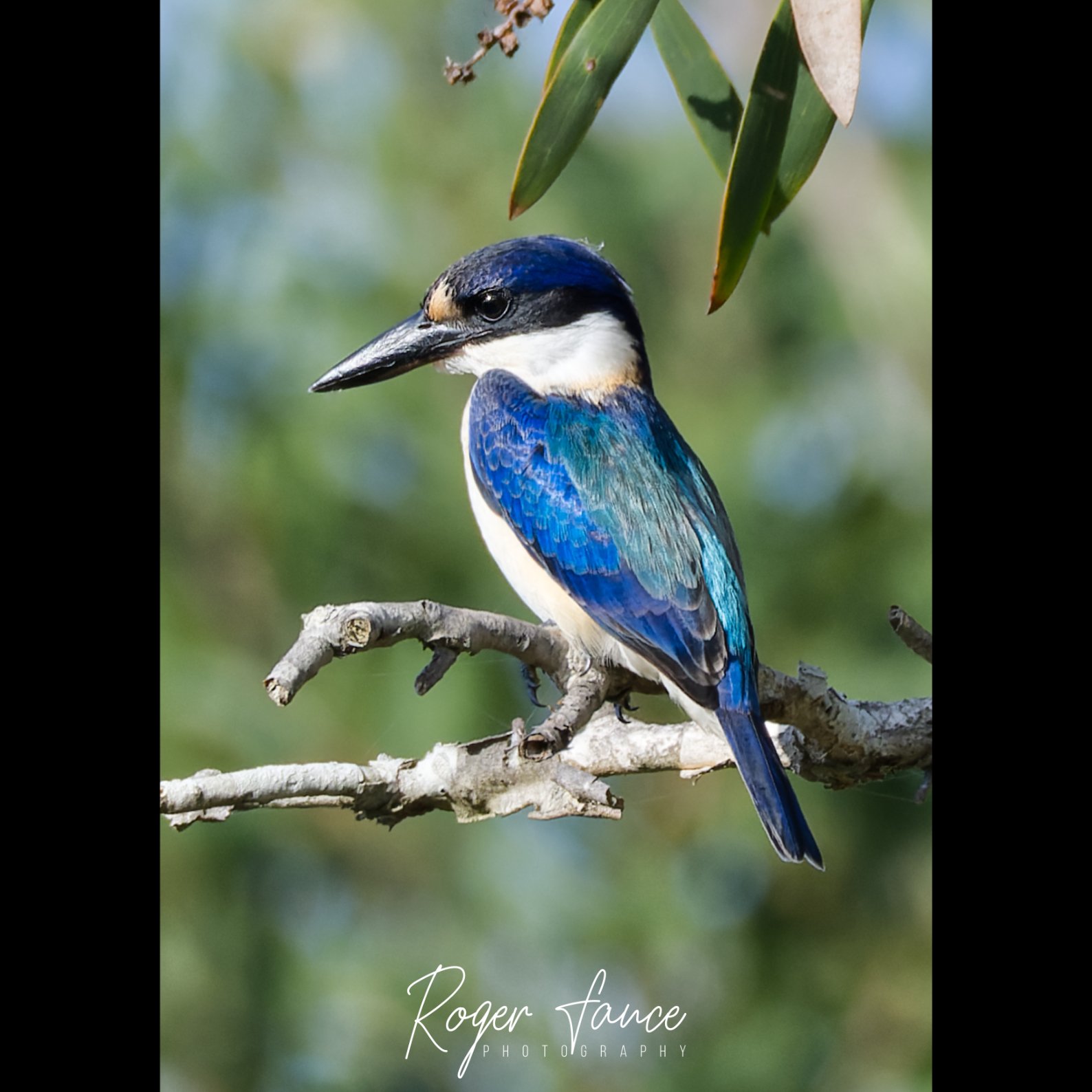
Forest Kingfisher (1)

$15.00

A high-resolution downloadable digital image file (watermark and borders removed)

Item Type:  JPG File
Colour Representation: sRGB
Width: 4961 pixels
Height: 7016 pixels
Horizontal Resolution: 300 dpi
Vertical Resolution: 300 dpi
Print Dimensions: A2 (420 mm x 594mm)

This image is licensed for personal use. You may print and frame it for private enjoyment, but you may not resell, reproduce, or distribute it in any form.

This image may be used in limited commercial contexts such as interior styling or boutique display. It may not be reproduced for resale or used in merchandise.

A high-resolution downloadable digital image file (watermark and borders removed)

Item Type:  JPG File
Colour Representation: sRGB
Width: 4961 pixels
Height: 7016 pixels
Horizontal Resolution: 300 dpi
Vertical Resolution: 300 dpi
Print Dimensions: A2 (420 mm x 594mm)

This image is licensed for personal use. You may print and frame it for private enjoyment, but you may not resell, reproduce, or distribute it in any form.

This image may be used in limited commercial contexts such as interior styling or boutique display. It may not be reproduced for resale or used in merchandise.

The Forest Kingfisher (Todiramphus macleayii) is a striking bird of vivid blue and white plumage, often described as a “flying jewel” of Australia’s woodlands and wetlands.

This small kingfisher, measuring around 21–25 cm in length, has a brilliant royal-blue head, wings, and tail contrasted with crisp white underparts and a bold black eye-stripe. Found across coastal eastern and northern Australia, as well as New Guinea and nearby islands, it prefers open forests, paperbark swamps, and mangrove edges. Unlike its fish-eating relatives, the Forest Kingfisher hunts mainly on land, swooping down from low perches to snatch insects, small reptiles, and frogs. Its call is a sharp, shrill t-reek, often heard at dawn. During breeding, pairs nest in termite mounds or tree hollows, sometimes tunneling with such force that injuries occur. Bold and territorial despite its delicate size, this species is a familiar summer visitor in parts of New South Wales, while remaining resident year-round further north.